
Understanding ArtNet DMX Functionality: How ArtNet DMX Converters Work

When it comes to controlling complex lighting and water show systems, precision and reliability are non-negotiable. That’s where ArtNet DMX functionality steps in, enabling seamless communication between digital networks and traditional DMX512 lighting protocols. In this post, I’ll break down how ArtNet DMX converters work, why they matter, and how they empower advanced control solutions for musical fountains and dynamic water features.
What Is ArtNet DMX Functionality?
ArtNet is a protocol designed to transmit DMX512 data over standard Ethernet networks. DMX512, a long-standing industry standard, controls lighting fixtures and effects through serial data signals. However, DMX cables have distance and channel limitations. ArtNet overcomes these by packaging DMX data into IP packets, allowing it to travel over long distances via Ethernet infrastructure.
This functionality is crucial for large-scale installations like musical fountains, where multiple lighting and water elements must synchronize flawlessly. ArtNet enables centralized control, scalability, and integration with modern network systems.
Key Benefits of ArtNet DMX Functionality
Extended Range: Ethernet cables can run much longer than DMX cables without signal degradation.
Higher Channel Capacity: ArtNet supports thousands of DMX channels across multiple universes.
Network Flexibility: Easily integrates with existing IP networks and allows remote control.
Cost Efficiency: Uses standard network hardware, reducing specialized cabling needs.
How ArtNet DMX Converters Bridge the Gap
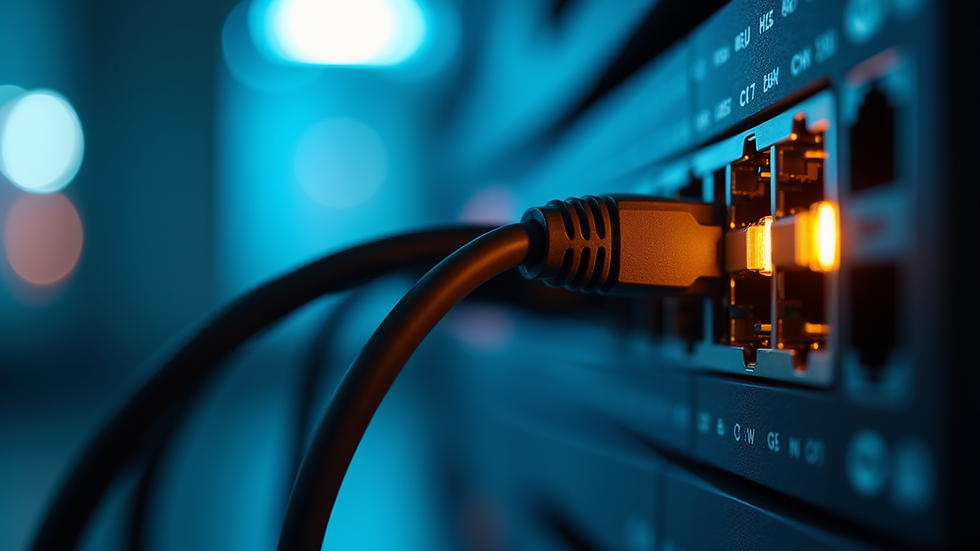
ArtNet DMX converters serve as the critical link between Ethernet-based ArtNet signals and traditional DMX512 devices. These converters receive ArtNet packets from a lighting console or control system and translate them into DMX signals that lighting fixtures or water feature controllers can understand.
The process involves:
Receiving ArtNet Data: The converter listens on the network for ArtNet packets containing DMX channel data.
Decoding the Data: It extracts the DMX universe and channel information from the IP packets.
Outputting DMX Signals: The converter sends the decoded DMX data through standard DMX512 ports to connected devices.
This conversion allows complex shows to be managed over a single network while maintaining compatibility with existing DMX hardware.
Practical Example
Imagine a musical fountain with 500 lighting fixtures spread across a large park. Running DMX cables to each fixture would be impractical. Instead, an ArtNet DMX converter receives commands from a central controller over Ethernet. It then outputs DMX signals locally to clusters of lights, ensuring synchronized effects without signal loss.

Choosing the Right ArtNet DMX Converter for Your Project
Selecting the right converter depends on your project’s scale, complexity, and integration needs. Here are some factors to consider:
Number of DMX Universes: Determine how many DMX universes your show requires. Each universe supports 512 channels.
Output Ports: Check how many DMX output ports the converter offers to connect multiple device groups.
Network Compatibility: Ensure the converter supports your network’s speed and protocols.
Latency and Refresh Rate: Low latency is critical for real-time synchronization in water shows.
Build Quality and Reliability: Look for industrial-grade hardware designed for outdoor or demanding environments.
Recommendations for Fountain and Water Show Integration
Use converters with multiple DMX outputs to segment control zones.
Opt for devices with robust network security features to prevent unauthorized access.
Choose models with easy firmware updates to keep up with evolving protocols.

Integrating ArtNet DMX Converters into Water Show Control Systems
Integrating these converters into your control system requires careful planning. Here’s a step-by-step approach:
Design Your Network Topology: Map out how Ethernet switches, controllers, and converters will connect.
Assign IP Addresses: Use static IPs for converters to ensure stable communication.
Configure DMX Universes: Match ArtNet universes with physical DMX outputs on the converter.
Test Signal Integrity: Verify that DMX signals reach all fixtures without delay or loss.
Implement Redundancy: For critical shows, consider backup converters and network paths.
By following these steps, you ensure your musical fountain or water feature operates smoothly with precise timing and effects.
Unlocking Advanced Control with SyncD Solutions
At SyncD, we specialize in delivering intelligent control systems that leverage ArtNet DMX functionality to its fullest. Our solutions integrate seamlessly with artnet dmx converter technology, enabling spectacular synchronized water and lighting shows.
We focus on:
Customizing control architectures for unique project requirements.
Providing scalable systems that grow with your installation.
Ensuring reliable performance in diverse environments.
Our expertise helps architects, developers, and integrators create immersive experiences that captivate audiences and elevate public spaces.
Elevate Your Water Show with ArtNet DMX Technology
Mastering ArtNet DMX functionality and the role of converters unlocks new possibilities for musical fountains and dynamic water features. By bridging digital networks with traditional DMX control, these devices enable expansive, synchronized, and visually stunning shows.
Whether you’re designing a smart city installation, a theme park attraction, or a commercial water feature, understanding how ArtNet DMX converters work empowers you to build reliable, scalable, and innovative control systems.
Explore the potential of ArtNet DMX technology and transform your water show projects into unforgettable experiences.


One aspect I appreciated most about this article was its focus on practical understanding rather than just technical definitions. Breaking down the concepts into clear explanations made the topic much easier to follow, especially for readers trying to build a solid foundation. Real-world examples always make technology discussions more meaningful, and this post achieved that well. I also discovered Europe Escort Directory while exploring related resources, and it was interesting to come across alongside this topic. Thanks for sharing such well-structured insights. Posts like this encourage readers to keep learning and stay curious about new developments in the field.
This is a fantastic breakdown of ArtNet DMX functionality! You made the packet conversion process easy to understand, which is no small feat given the technical nuances. It is clear that the quality of these converters relies heavily on robust hardware design.
When you look at the specialized components required for high-speed signal processing, it makes sense why professional lighting engineers often prefer high-end builds. For anyone looking to develop their own reliable converters, partnering with top-tier PCB manufacturers in USA is clearly a smart move. Thanks for demystifying how these systems handle complex data streams so efficiently!